What to Look for in a Quality Boarding Kennel
Updated: Nov 14, 2025
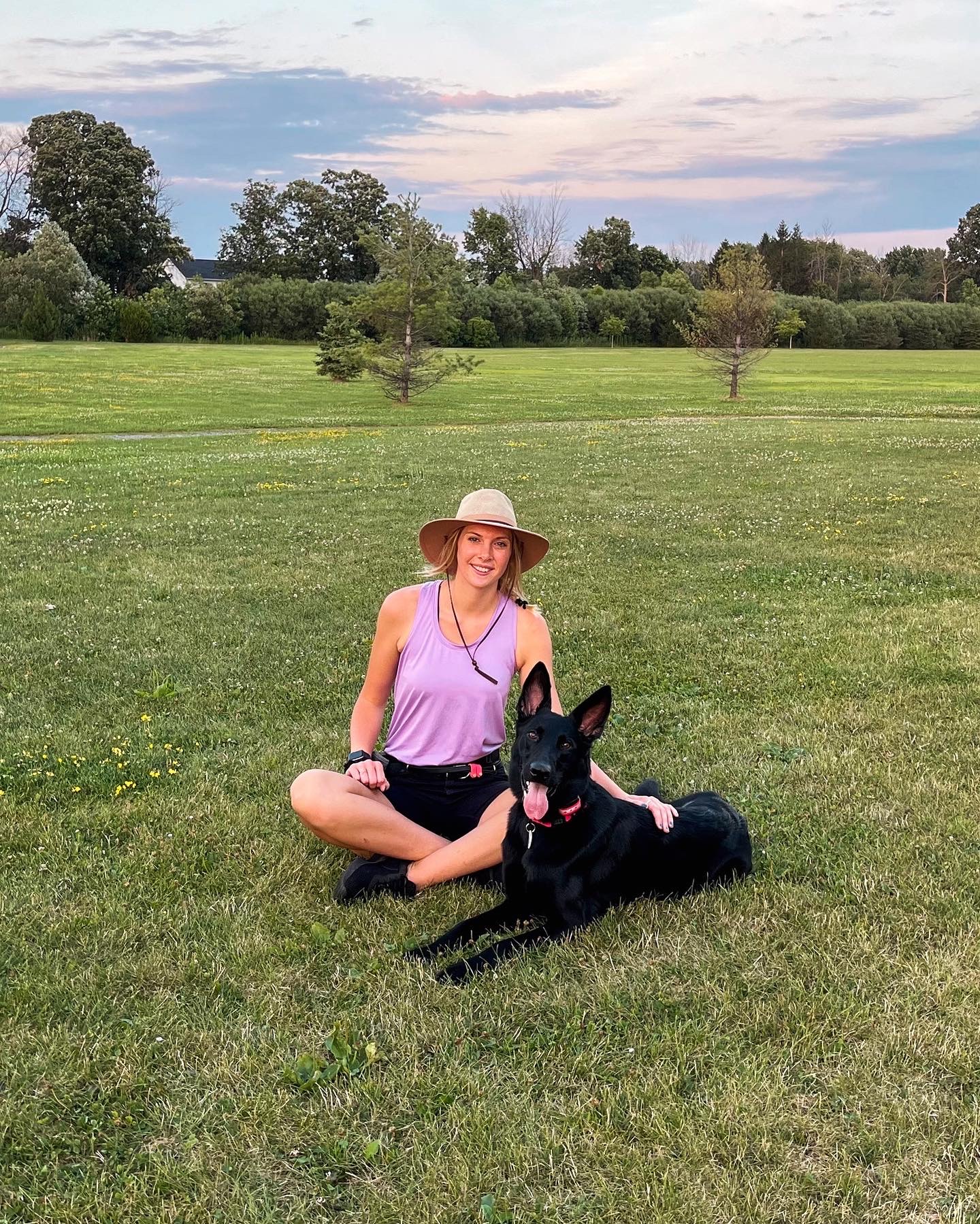
Leaving your dog behind while you travel can be stressful — for both of you. As a professional dog trainer, I’ve seen firsthand how the environment and care provided in a boarding facility can affect a dog’s behavior, stress level, and overall well-being.
I’ve also seen things that can truly ruin a dog — from dog attacks during “playtime,” to poorly managed group play, to dogs being placed in stressful situations simply because a facility said they “temperament test.”
Just because a kennel claims they temperament test doesn’t mean they do it correctly. Always ask how they do it, what they look for, and what criteria they use to decide if a dog is safe for group play.
Choosing the right kennel isn’t just about convenience — it’s about safety, structure, and the quality of care your dog receives while you’re away.
⭐️ Remember: great boarding facilities book up months in advance for holidays — so don’t wait to reserve a spot.
I also grew up deeply involved in this world — my mother, a trainer of over 40 years, owned a boarding kennel, and I spent my childhood helping her care for dogs every day. I learned early what truly excellent care looks like… and what red flags to never ignore.

What to Look for in a Boarding Kennel
Indoor/Outdoor Boarding Options
Dogs thrive on consistency and comfort. A kennel that offers indoor/outdoor runs allows your dog to move freely between climate-controlled areas and safe outdoor spaces. This setup reduces stress and allows natural potty habits instead of long hours of confinement.
Avoid facilities that only offer small indoor cages or crates with limited outdoor time — this can be frustrating and anxiety-inducing for active or social dogs.
Extra Play, Walks, and Enrichment
A great kennel doesn’t just “watch” your dog — they engage with them. Look for places that offer structured enrichment, such as:
Puzzle feeders
Scent games
Agility or confidence-building time
One-on-one walks
Snuggle or quiet sessions
This keeps your dog mentally and physically stimulated and prevents stress behaviors like pacing, barking, or chewing.
Someone On Property 24/7
Emergencies don’t wait for business hours. Staff on-site at all times means someone can respond quickly if your dog needs help. Even storms or power outages can be frightening, and having a calm, trained person there makes a big difference.
Limited Group Play (or None at All)
While group play sounds fun, not every dog enjoys it — and even friendly dogs can get into trouble in large, unstructured groups.
If a facility offers group play, make sure:
Dogs are temperament-tested properly
Groups are small (10 or fewer)
Staff is trained and present the entire time
Play sessions are structured with breaks
Dogs are separated by size, energy, and play style
Remember: even with precautions, dog fights can still happen. Always ask about safety protocols and staff experience.
Educated, Experienced Staff
Ask about staff training:
Do they have behavioral or training experience?
Are they certified in pet first aid/CPR?
Do they understand dog body language and safe handling?
You don’t want a facility staffed only by teenagers with no behavioral training.
Cleanliness and Sanitation
A walkthrough should show:
Clean, odor-free spaces
Fresh water everywhere
No buildup of waste
No overpowering bleach smell
Cleanliness prevents illnesses like kennel cough, giardia, and parasites.
Clear Communication and Transparency
A reputable facility will:
Tour you through the actual areas where dogs stay
Explain routines clearly
Be honest about what they can and cannot do
Send updates or photos during the stay
If they won’t let you see where your dog will sleep, that’s a major red flag.
Individualized Care
Every dog is different. Good kennels ask about:
Feeding routines
Medications
Fears or triggers
Energy level
Potty habits
Behavior quirks
This ensures your dog gets care tailored to them — not a “one size fits all” routine.
A Reliable Dog Sitter May Be a Better Option
Even though there are excellent kennels out there, keeping your dog in a familiar environment is often the least stressful choice.
A trusted sitter allows your dog to:
Stay in their own routine
Sleep in their favorite spot
Avoid strange dogs
Avoid loud, unfamiliar environments
For shy, anxious, reactive, or elderly dogs, a sitter is often the better fit.
Questions You Should ALWAYS Ask Before Boarding Your Dog
About Safety & Staff
Is someone on-site 24/7?
What training or certifications do your staff members have?
Are staff trained to read dog body language and safely break up dog fights?
How many dogs does each staff member supervise at once?
About Group Play
Do you offer group play, and is it required?
How do you temperament-test dogs? Walk me through the exact process.
How large are the groups?
Are dogs separated by size and play style?
Are play sessions supervised at all times?
About the Kennel Environment
Are the kennels indoor/outdoor or indoor-only?
How often do dogs go outside?
What bedding do you provide?
Can I see the actual kennel my dog would stay in?
About Health & Cleanliness
What vaccinations do you require?
How do you sanitize kennels, bowls, and play areas?
How do you handle illnesses or injuries?
About Daily Care
What is your feeding schedule?
Can my dog have their own food and treats?
How often do dogs get enrichment, walks, or potty breaks?
How do you handle anxious or fearful dogs?
About Communication
Will I receive updates or photos during their stay?
Who do I contact if I have concerns?
Final Thoughts
When choosing care for your dog — whether a kennel or a sitter — don’t just consider convenience or price. Look for professionalism, transparency, experience, and compassion. Also make sure to read the most recent reviews.
Dogs are creatures of routine, and being away from home can be challenging for them. The right care makes all the difference in their stress level, behavior, and how easily they settle back in once you return.
Comments